Control Emotions While Trading: The Skill That Matters More Than Any Strategy
Control Emotions While Trading: The Skill That Matters More Than Any Strategy
Here's something almost every trader learns the hard way: you can have a genuinely solid strategy, a clear set of rules, and a well-tested edge — and still lose money, simply because you couldn't follow your own plan in the moment. Not because the strategy failed. Because you did, emotionally.
Learning to control emotions while trading isn't a soft, secondary skill you pick up after mastering charts and indicators. For most traders, it's actually the deciding factor between a strategy that works on paper and one that works in real life, with real money, under real pressure.
What Does It Mean to Control Emotions While Trading?
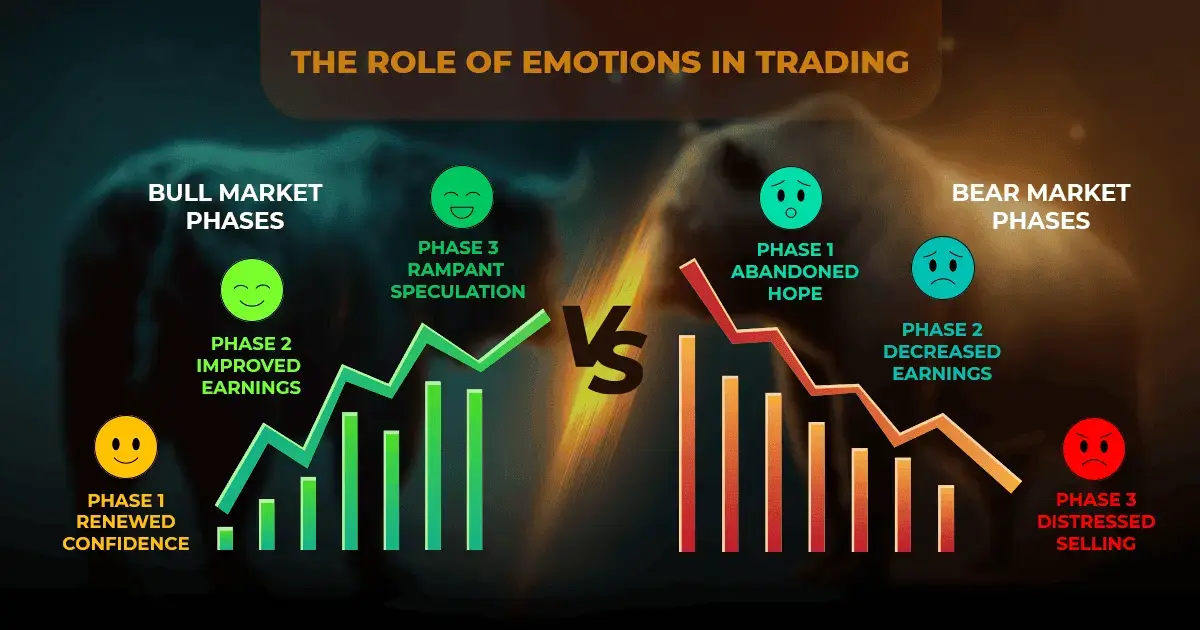
Controlling your emotions while trading doesn't mean becoming an emotionless robot who feels nothing when a trade moves against you. It means recognizing fear, greed, frustration, and excitement as they show up, and preventing them from overriding your actual trading plan in the moment they hit hardest.
Think of it like driving in heavy traffic. You don't stop feeling annoyed when someone cuts you off — but a good driver doesn't slam the brakes or swerve aggressively because of that flash of irritation. They feel it, acknowledge it, and keep driving safely anyway. Trading works the same way: the emotion shows up regardless of skill level, but what you do in the next ten seconds is what actually determines the outcome.
Most blown accounts aren't the result of one bad trade. They're the result of one bad emotional reaction to a bad trade — doubling down out of frustration, or abandoning a sound plan out of fear — that turns a manageable loss into a much bigger one.
Emotional Trading vs Disciplined Trading vs Overconfident Trading
It helps to see where uncontrolled emotion actually leads, compared to the alternatives.
- Emotional trading: Decisions driven by fear, greed, or frustration in the moment — moving stop-losses, doubling position size after a loss, or exiting winners too early out of anxiety.
- Disciplined trading: Decisions made according to a pre-defined plan, regardless of how the trader feels in the moment. The plan does the deciding; the emotion is just noise in the background.
- Overconfident trading: A different emotional trap — after a winning streak, traders often increase risk far beyond their normal rules, convinced their recent success proves they're immune to the next loss.
If disciplined trading is following a recipe exactly as written, emotional trading strategy failures usually look like improvising halfway through because the dish "smells like it needs more salt" — a decision based on a feeling in the moment, not the plan that was carefully thought out in advance.
Best Techniques and Tools for Managing Trading Emotions
You can't delete emotions, but you can build systems that reduce how much power they have over your actual decisions. Here's what shows up repeatedly in solid psychology of trading practices.
A Written Trading Plan
Decisions made calmly, before a trade is live, are far more reliable than decisions made in the middle of a fast-moving position. A written plan with clear entry, exit, and risk rules removes the need to think clearly under pressure — you just follow what you already decided.
Pre-Defined Stop-Losses
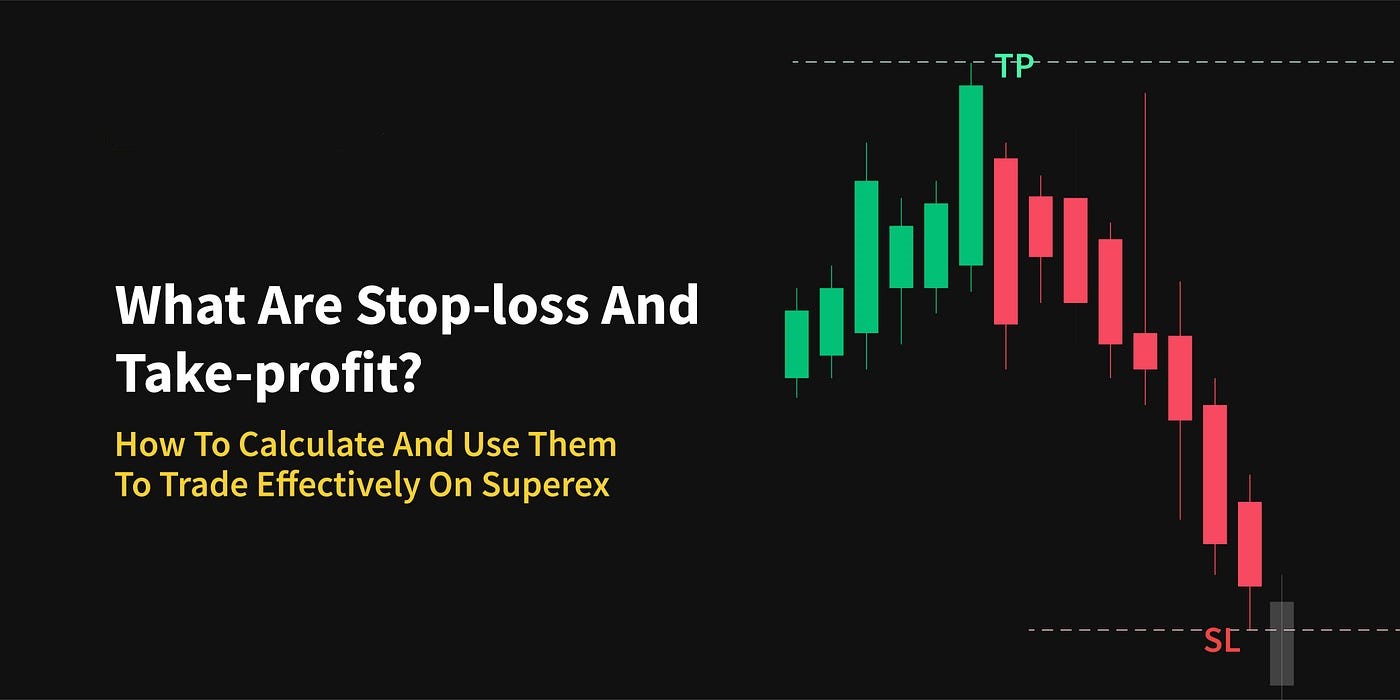
Setting a stop-loss the moment you enter a trade — and never moving it further away once it's live — takes the emotional decision out of the most dangerous moment: watching a loss grow while your brain quietly bargains for "just a little more room."
Position Sizing Rules
Risking a small, fixed percentage per trade (commonly 1-2%) means no single loss feels catastrophic enough to trigger a panic reaction. Emotional control gets dramatically easier when the downside of any one trade is genuinely survivable.
A Trading Journal
Recording not just what happened but how you felt during each trade turns vague emotional patterns into visible, repeatable data. Among the best techniques for controlling emotions in trading, this one often reveals exactly which situations trigger poor decisions — a losing streak, a specific time of day, a particular type of setup.
Scheduled Breaks and Trading Windows
Stepping away from the screen after a big win or a big loss — rather than immediately taking another trade — interrupts the emotional momentum that leads to revenge trading or overconfident position sizing.
Risk Management Tips Tied to Emotional Control
Risk management and emotional control aren't separate skills — they reinforce each other directly.
- Set a daily loss limit and honor it. Deciding in advance when to stop trading for the day removes the in-the-moment temptation to "win it back" after a rough stretch.
- Never move a stop-loss further away once a trade is live. This single habit prevents more account damage than almost any other rule.
- Reduce position size after a losing streak. A built-in rule to scale down protects capital during periods when emotional discipline is naturally harder to maintain.
- Avoid trading immediately after a strong emotional reaction. Whether it's frustration from a loss or euphoria from a win, both states are known to distort judgment temporarily.
- Automate what you can. Where possible, using pre-set orders instead of manual exits removes some emotional decisions from the equation entirely.
Common Mistakes Beginners Make
Emotional control is a skill most traders learn through painful experience — here's where beginners typically stumble first.
- Revenge trading after a loss. Jumping straight back in to "make it back," often with a larger position and a weaker setup than usual.
- Moving stop-losses further away. Convincing themselves the market "just needs a little more room," turning a planned small loss into a much larger one.
- Overtrading out of boredom or FOMO. Forcing trades during quiet periods, or chasing a move that's already run, purely out of fear of missing out.
- Increasing size after a winning streak. Mistaking a run of good luck for proof of skill, and risking far more than their normal plan allows.
- Checking positions obsessively. Constantly refreshing charts during a live trade, which amplifies anxiety and increases the odds of an impulsive early exit.
- Ignoring their own emotional state. Continuing to trade while visibly frustrated, anxious, or overconfident, instead of recognizing it as a signal to pause.
Conclusion
Learning to control emotions while trading isn't about suppressing how you feel — it's about building a system sturdy enough that your feelings don't get the final vote on your decisions. A written plan, sensible position sizing, honest journaling, and the discipline to step away when needed all work together to keep emotion in its proper place: present, but not in charge.
The market will always find ways to make you feel fear, greed, frustration, and excitement. The traders who last are the ones who stopped expecting those feelings to go away, and instead built habits strong enough to keep trading well despite them.
Frequently Asked Questions
1. Is it normal to feel fear or anxiety before every trade?
Some level of nervousness is common, even among experienced traders. The goal isn't to eliminate the feeling entirely, but to prevent it from causing you to deviate from your plan.
2. How do I stop revenge trading after a loss?
A daily loss limit combined with a mandatory break after hitting it is one of the most effective structural fixes, since it removes the option to act on the impulse in the moment.
3. Does meditation or mindfulness actually help with trading psychology?
Many traders report that mindfulness practices help them notice emotional reactions earlier, giving them a brief pause before acting — though it works best alongside concrete rules like stop-losses and position sizing, not as a replacement for them.
4. Can emotional control be learned, or is it just personality?
While some people are naturally calmer under pressure, most traders develop emotional control over time through structured habits — journaling, defined rules, and repeated exposure to managing real trades — rather than being born with it.