
Stop Loss and Take Profit Explained | Essential Trading Orders Guide
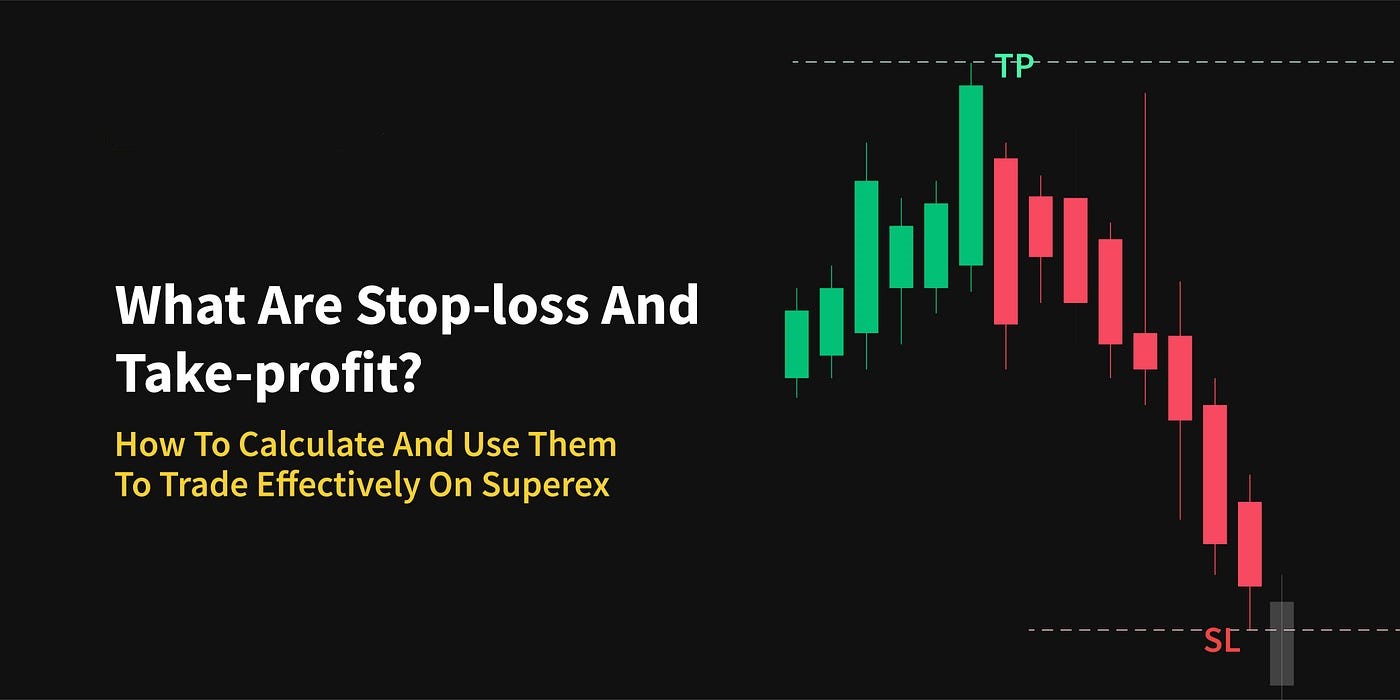
Stop Loss and Take Profit: The Two Orders That Do the Thinking When You Can't
Here's a scenario every trader has lived through at least once: you're in a trade, price starts moving against you, and instead of exiting where you originally planned, you freeze. "It'll probably come back," you tell yourself. Ten minutes later, the small loss you were comfortable with has turned into one you're not. This is exactly the situation a proper stop loss and take profit strategy is designed to prevent.
These two orders are simple in concept but incredibly easy to get wrong in practice. Let's walk through how they actually work, and more importantly, how to place them like someone who's actually thought it through — not just guessed.
What Stop Loss and Take Profit Actually Are
A stop-loss is a predetermined price at which your trade automatically closes to limit further losses if the market moves against you. A take-profit works the same way in the opposite direction — it automatically closes your trade once price hits a target level, locking in gains without requiring you to watch the screen.
Think of them as guardrails on a mountain road. You don't drive expecting to hit them, but they're there specifically for the moments when things don't go according to plan — protecting you from a much steeper drop than you intended to risk.
Stop Loss/Take Profit vs Manually Closing Trades
Some traders skip these orders entirely, preferring to "watch and decide." The difference in outcomes is usually significant.
- Using stop-loss and take-profit orders: Exit points are decided calmly, in advance, before emotions are involved. The trade executes automatically, even if you're away from the screen.
- Manually closing trades: Exit decisions happen in real time, often under emotional pressure, with a strong tendency to hold losers too long hoping for a reversal, and close winners too early out of fear of giving profits back.
Manual exits rely on willpower in the exact moment willpower is weakest. Predefined orders remove that vulnerability entirely.
How to Set Stop Loss and Take Profit Correctly
Placement matters far more than most beginners realize — a poorly placed stop-loss can get you knocked out of an otherwise winning trade for no good reason.
Base Stop-Loss Placement on Structure, Not Round Numbers
Instead of placing a stop-loss at an arbitrary distance like "50 pips" or "$2 below entry," base it on actual chart structure — below a recent swing low, beyond a support zone, or outside the range of normal price noise for that particular instrument. This is core to solid technical analysis for swing trading and any other trading style.
Give the Trade Room to Breathe
A stop-loss placed too tightly gets triggered by completely normal price fluctuation, even when the overall trade idea is still valid. If your stops are constantly getting hit right before price moves in your original direction, the stop is probably placed too close, not the strategy failing.
Set Take-Profit Targets Based on Realistic Levels
Look for logical target zones — previous resistance, a measured move, or a level where selling pressure has historically appeared — rather than an arbitrary round number target that has no real connection to price behavior.
Match Take-Profit to Your Risk-Reward Ratio
Your take-profit distance should reflect a sensible risk/reward ratio relative to your stop-loss. A target that's only half the distance of your stop-loss requires an unusually high win rate just to break even.
Consider Partial Profit-Taking
Some traders close a portion of the position at a first target and let the remainder run toward a further target with the stop-loss moved to breakeven. This locks in some profit while still allowing room for a bigger move.
Practical Tips for Managing Stop Loss and Take Profit
- Never move a stop-loss further away once the trade is open. Adjusting it closer to lock in gains is fine — widening it to avoid a loss defeats its entire purpose.
- Account for spread and slippage. Especially around news events, actual exit prices can differ slightly from where the order was placed.
- Avoid placing stops at obvious round numbers everyone else uses. These levels sometimes see extra volatility as clustered orders get triggered together.
- Reassess targets if market conditions shift significantly. A take-profit set before a major news event might need reconsideration if volatility changes the picture.
Setting these levels properly is a bit like planning a road trip with a clear turnaround point and a clear destination before you leave the driveway — not figuring it out somewhere on the highway when you're already tired and the fuel gauge is dropping.
Common Mistakes With Stop Loss and Take Profit
- Placing stops too tight out of fear. This leads to getting stopped out repeatedly by normal price movement, right before the trade would have worked.
- Removing the stop-loss entirely during a losing trade. This is one of the fastest ways to turn a small, planned loss into an account-threatening one.
- Setting unrealistic take-profit targets. A target that price has never historically reached during similar conditions rarely gets hit.
- Closing winners manually far before the take-profit level. Fear of losing unrealized gains often cuts winning trades short of their real potential.
- Ignoring the risk-reward relationship entirely. Setting stop-loss and take-profit independently, without considering the ratio between them, undermines long-term profitability even with a decent win rate.
Conclusion
A solid stop loss and take profit strategy takes the emotional guesswork out of two of the most important decisions in any trade — when to cut a loss and when to lock in a win. Base your levels on real chart structure, respect the risk-reward relationship, and let these orders do the disciplined thinking that's much harder to do live, in real time, with real money on the line.
Set it, respect it, and let the plan you made calmly do its job.
Frequently Asked Questions
1. How far should my stop-loss be from my entry?
There's no universal distance — it should be based on chart structure and volatility for that specific instrument, not a fixed number applied to every trade.
2. Is it ever okay to move my stop-loss?
Moving it closer to lock in profit as a trade moves favorably is common practice. Moving it further away to avoid a loss undermines the entire purpose of having one.
3. Should I always use a take-profit order, or can I exit manually?
A take-profit order removes emotional decision-making at the exit point, though some traders use a hybrid approach — a take-profit as a safety net while manually managing part of the position.
4. What's a reasonable risk-reward ratio to aim for?
Many traders aim for at least 1:1.5 or 1:2, meaning the potential reward is 1.5 to 2 times the amount being risked, though this varies by strategy and win rate.