FOMO in Trading: Why Chasing the Next Big Move Costs More
FOMO in Trading: Why Chasing the Next Big Move Usually Costs You More Than It Pays
You know the feeling. A stock rips 20% in a day, your group chat is lit up with screenshots of gains, and your finger is hovering over the buy button before your brain even finishes processing what's happening. That's FOMO in trading — the fear of missing out — and it has quietly emptied more trading accounts than almost any bad strategy ever could.
Here's the uncomfortable truth: FOMO doesn't feel like a mistake while it's happening. It feels like opportunity, urgency, even excitement. It's only afterward, staring at a red position that entered right at the top, that it starts to feel like what it actually was — a decision made by panic wearing the costume of confidence.
What FOMO in Trading Actually Is
Trading FOMO is the anxious urge to jump into a trade purely because price is already moving, not because your own analysis or plan called for an entry. It's driven less by logic and more by a very human fear — the fear of watching everyone else profit while you sit on the sidelines.
Picture standing at a bus stop. The bus you needed already left, but you see it in the distance and start sprinting after it anyway, even though you know there's another one coming in ten minutes. That's FOMO trading in a nutshell — chasing the bus that's already gone instead of calmly waiting for the next legitimate opportunity.
FOMO Trading vs Disciplined Entries
The difference between these two isn't the outcome of any single trade — it's the process behind the decision.
- FOMO trading: Entry is triggered by price movement itself, social media buzz, or fear of missing a rally. Position sizing is often oversized because urgency overrides planning. Stop-losses are frequently skipped entirely.
- Disciplined entries: Entry is triggered by a predefined setup that existed before the price move started. Position size and stop-loss are decided in advance, regardless of how exciting the chart looks.
FOMO trading is reactive — it's trading the headline. Disciplined entry is proactive — it's trading the plan that was already written before the headline existed.
Strategies to Recognize and Control FOMO
You can't eliminate FOMO entirely — it's a human response, not a bug you can patch out. But you can absolutely build habits that catch it before it costs you money.
Learn to Spot the Physical Signs
FOMO usually shows up in the body before it shows up in a trade. A racing pulse, the urge to enter immediately without checking your usual criteria, a tight feeling of "if I don't act right now I'll regret it" — these are red flags, not green lights. Recognizing this pattern is a core part of managing trading psychology long term.
Use a Hard Rule: No Setup, No Trade
If a move doesn't match your predefined entry criteria, it simply doesn't qualify — no matter how far it's already run or how many people are talking about it. This single rule alone blocks the majority of FOMO trades before they happen.
Set a Delay Timer
When you feel that urgent pull to jump in, force yourself to wait 15-30 minutes before clicking anything. Genuine setups are usually still valid after a short pause. Pure FOMO impulses often lose their grip once the initial adrenaline fades.
Mute the Noise
Trading group chats, social media, and constant news alerts are basically FOMO factories. Muting notifications during active trading hours removes a huge chunk of the emotional triggers before they even reach you.
Track Your FOMO Trades Separately
In your journal, tag trades that were driven by FOMO versus trades that followed your actual plan. Reviewing this list after a month is usually a wake-up call — most traders discover their FOMO trades have a dramatically worse win rate than their planned ones.
Risk Management Habits That Reduce FOMO's Damage
- Fix your position size in advance. Deciding size before you're emotionally invested prevents the classic "just this once, bigger" mistake.
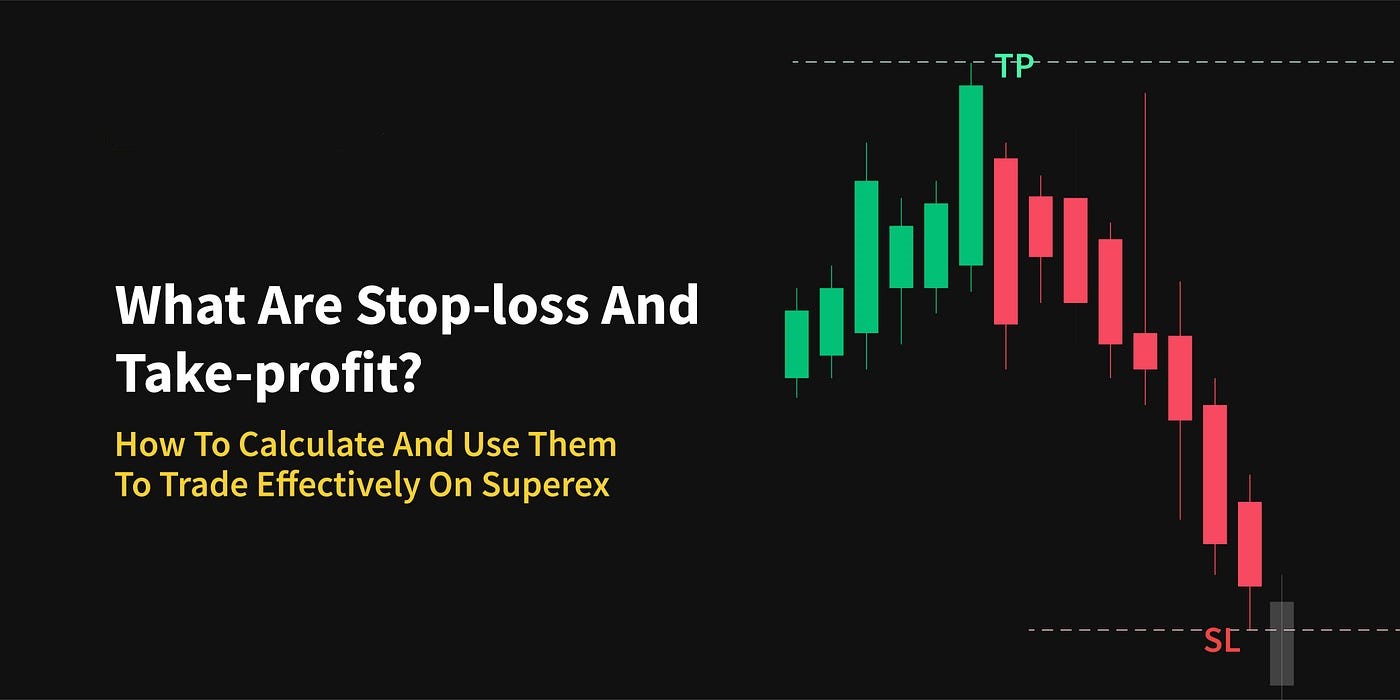
- Always place a stop-loss, no exceptions. FOMO trades are exactly the ones most likely to skip this step — which is exactly why the rule matters most here.
- Accept missed moves as a sunk cost. The move already happened. Chasing it doesn't get you back the entry you missed; it just adds risk on top of a trade that's already extended.
- Remind yourself there's always another setup. Markets produce opportunities daily. The one you missed is not the last one you'll ever see.
Managing FOMO is a lot like resisting a sale at a store you didn't plan to visit. The discount looks great in the moment, but if it wasn't on your list, it's not actually a good deal — it's just spending disguised as opportunity.
Common Mistakes Beginners Make With FOMO
- Entering after a huge green candle. By the time a move is obvious enough to trigger FOMO, it's often already late in the run.
- Increasing position size to "catch up" on missed gains. This compounds risk exactly when discipline should be tightening, not loosening.
- Following social media hype instead of your own analysis. Someone else's screenshot isn't a trading plan.
- Refusing to admit a trade was FOMO-driven. Labeling it honestly in your journal is the only way to actually reduce it over time.
- Trading multiple FOMO entries in the same session. One impulsive trade often triggers a second, trying to recover the first — a spiral that rarely ends well.
Conclusion
FOMO in trading will never fully disappear — it's wired into how humans respond to missed opportunity. But it doesn't have to control your account. Build rules that don't bend under urgency, track your impulsive trades honestly, and remind yourself that the market runs every single day. There will always be another setup that actually fits your plan.
The traders who last aren't the ones who never feel FOMO — they're the ones who've built a system that keeps them from acting on it.
Frequently Asked Questions
1. Is FOMO trading always a bad idea?
Almost always, because the entry is based on emotion rather than a defined setup. Even if a FOMO trade happens to win, it reinforces a habit that eventually leads to bigger losses.
2. How do I know if I'm trading out of FOMO?
Ask yourself if this trade matches your written entry criteria. If the honest answer is no, and you're entering purely because price already moved, that's FOMO.
3. Can experienced traders still fall for FOMO?
Yes. Experience reduces the frequency, but the emotional pull never fully disappears — it just becomes easier to recognize and resist with practice.
4. What's the single best habit for reducing FOMO?
A strict "no setup, no trade" rule combined with journaling every impulsive entry. Seeing the pattern in writing is often what finally breaks the habit.