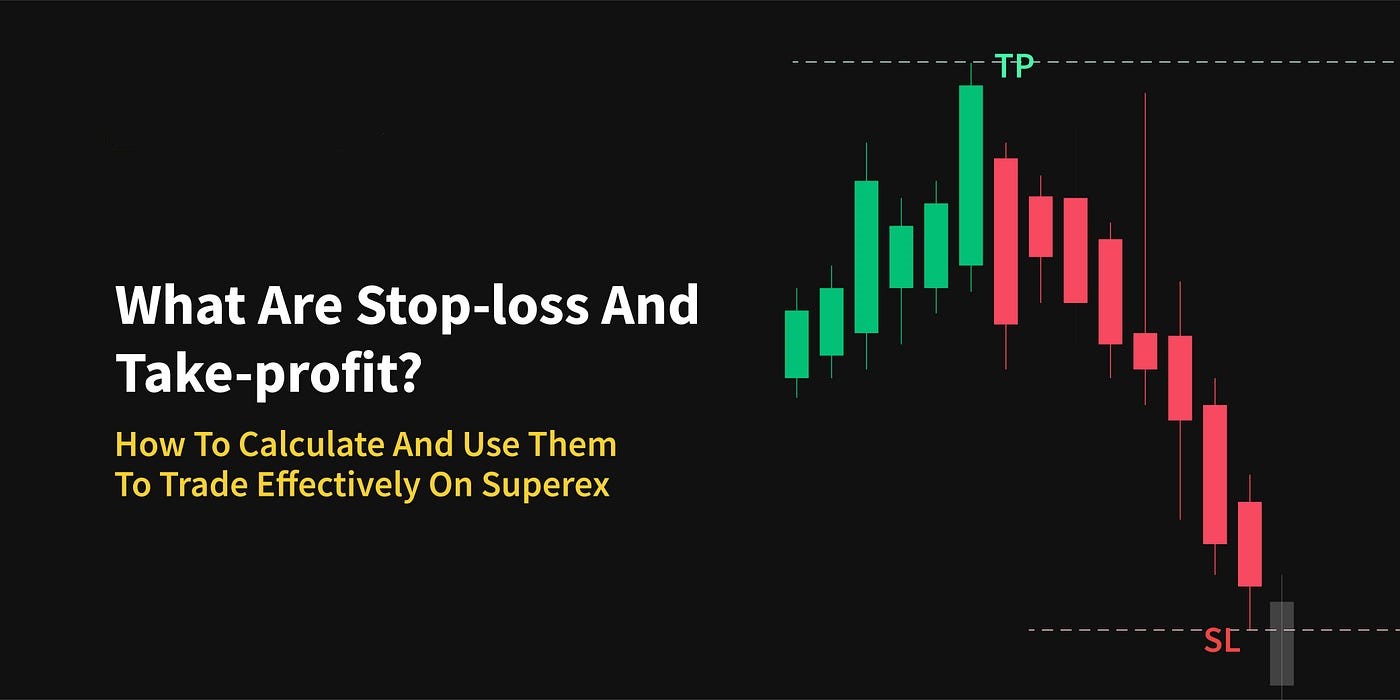
How to Create a Trading Plan That Keeps You Disciplined (2026)

How to Create a Trading Plan That Actually Keeps You Disciplined
Here's a question worth asking yourself honestly: if you sat down right now and someone asked "what's your plan for this trade," could you answer in one clear sentence? Or would you start rambling about a feeling, a tip you heard, or a chart that "just looked right"?
Most beginner traders don't fail because they picked the wrong stock or the wrong currency pair. They fail because they never had a real plan to begin with — just a loose collection of hopes dressed up as strategy. Learning how to create a trading plan is, without exaggeration, one of the biggest differences between traders who last years and traders who blow up their account in months.
What Is a Trading Plan?
A trading plan is a written, specific set of rules that governs every part of your trading — what you trade, when you enter, when you exit, how much you risk, and how you behave when things go wrong. It's not a prediction of what the market will do. It's a decision, made in advance, about exactly how you'll respond to whatever the market actually does.
Think of it like a pilot's checklist before takeoff. A pilot doesn't improvise procedures mid-flight based on how they're feeling that day — they follow a plan built long before they ever left the ground, precisely because emotions and pressure make in-the-moment decisions unreliable. A trading plan strategy serves the same purpose: it does your thinking for you before the stress of a live trade clouds your judgment.
Without one, every trade becomes a fresh emotional decision. With one, every trade becomes a simple checklist — does this situation meet my criteria, yes or no?
Trading Plan vs Trading Strategy vs Trading System
These three terms get used interchangeably, but they actually describe different layers of the same process.
- Trading strategy: The specific method for finding trades — for example, buying pullbacks in an uptrend using moving averages, or trading breakouts from consolidation.
- Trading system: The exact, mechanical rules that make a strategy repeatable — precise entry triggers, exit rules, and position sizing formulas.
- Trading plan: The complete framework that wraps around your strategy and system, including your goals, risk limits, daily routine, and rules for handling both winning and losing streaks.
If a trading strategy is the recipe and a trading system is the exact measurements and cooking times, a trading plan for beginners is the whole kitchen operation — covering not just the recipe, but when you cook, how much you serve, and what you do if a dish comes out wrong.
Key Components of a Solid Trading Plan
A real trading plan isn't a vague paragraph about "trading smart." It's a specific document covering each of these areas, built through honest technical analysis for trading plan development and self-assessment.
1. Goals and Trading Style
Start by defining what you're actually trying to achieve and how much time you can realistically commit. Someone with a full-time job trading swing setups on evenings and weekends needs a completely different plan than someone scalping five-minute charts all day.
2. Market and Instrument Selection
Decide which markets you'll actually trade — a handful of forex pairs, a specific group of stocks, futures, or crypto — rather than jumping between everything based on whatever looks exciting that day. Specialization builds pattern recognition faster than constantly switching markets.
3. Entry and Exit Rules
This is where your best strategy for trading plan execution lives. Define precisely what conditions must be met to enter a trade — specific indicator signals, candlestick patterns, or price levels — and equally specific conditions for exiting, both for profit targets and stop-losses.
4. Risk Management Rules
Every solid plan spells out exactly how much capital you're willing to risk per trade, per day, and per week, along with maximum position sizes and rules for when to stop trading altogether after a losing streak.
5. Trading Journal and Review Process
A plan isn't static — it needs a built-in process for reviewing trades regularly, tracking what's working, and adjusting rules based on real results rather than gut feeling or short-term frustration.
Risk Management Tips When Building Your Plan
Risk rules deserve their own careful attention, since this is the section most beginners either skip or write too loosely to actually follow.
- Define a fixed risk percentage per trade. Many traders cap risk at 1-2% of total capital per trade, ensuring no single loss can meaningfully damage the account.
- Set a maximum daily or weekly loss limit. Decide in advance the point at which you stop trading for the day or week, before frustration and revenge trading take over.
- Write your position sizing formula down explicitly. Don't leave it to feel — calculate size based on your stop-loss distance and account risk percentage every single time.
- Include rules for scaling down after losses. A written rule to reduce position size after a losing streak protects capital during periods when your edge may temporarily be off.
- Plan for black swan events. Decide how you'll handle extreme volatility or unexpected news before it happens, not while it's unfolding in real time.
Common Mistakes Beginners Make
Even traders who understand the theory behind planning often stumble in these specific ways.
- Writing a vague plan. Statements like "I'll buy strong stocks and sell weak ones" aren't rules — they're opinions with nothing measurable to follow.
- Abandoning the plan after a few losses. Every plan has losing streaks built into normal variance; scrapping it too early prevents ever finding out if it actually works.
- Never backtesting before going live. Trading real money on an untested plan is essentially guessing with extra steps.
- Constantly changing the rules mid-stream. Adjusting entry or exit criteria trade by trade based on emotion defeats the entire purpose of having a plan.
- Skipping the trading journal. Without recorded data, it's impossible to separate a genuinely flawed plan from simple bad luck or poor execution.
- Ignoring the psychological side. A plan that doesn't account for how you personally react to losses or winning streaks will eventually be broken exactly when it's needed most.
Conclusion
Learning how to create a trading plan isn't the most exciting part of trading, and that's exactly why so many beginners skip it. But it's the single document that turns trading from a string of emotional guesses into a repeatable, improvable process. Write down your goals, your rules, your risk limits, and your review process — then follow it with the same discipline a pilot follows a pre-flight checklist. Refine it over time based on real data, not frustration.
A good trading plan won't guarantee you win every trade. It will guarantee you always know exactly why you took the ones you did.
Frequently Asked Questions
1. How long should a trading plan be?
There's no fixed length — some effective plans fit on a single page, others run several pages. What matters is that every rule is specific enough to follow without interpretation, not how long the document is.
2. How often should I update my trading plan?
Review it regularly, such as monthly or quarterly, based on data from your trading journal. Avoid changing it impulsively after just one or two trades, since short-term results rarely reflect a plan's true performance.
3. Do I need a different trading plan for each market I trade?
Often yes, since different markets and strategies — such as swing trading stocks versus scalping forex — carry different risk profiles and rules. Many traders keep separate plans for each distinct approach.
4. Can beginners really stick to a trading plan without experience?
It takes practice, but starting with a simple, written plan and reviewing it consistently builds discipline far faster than trading without one. Most of the skill comes from repetition and honest self-review over time.