How to Trade News Events Without Getting Steamrolled by Volatility
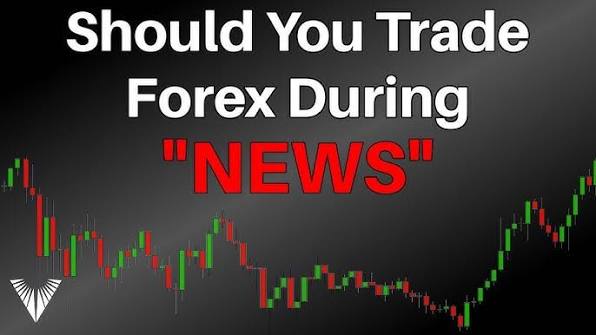
How to Trade News Events Without Getting Steamrolled by Volatility
You've probably seen it happen — a calm, quiet chart suddenly turns into a vertical line the moment a headline hits, and by the time you process what's going on, price has already moved 50 pips or 2% in either direction. That's the reality of trading news events, and it's exactly why so many traders either avoid them entirely or get chewed up trying to catch the move.
Here's the thing though — news events aren't something to fear or avoid completely. They're one of the most reliable sources of genuine volatility and opportunity in the market. The traders who do well around news aren't the fastest clickers in the room; they're the ones who understand exactly what they're walking into before they ever place a trade.
What It Actually Means to Trade News Events
News trading strategy refers to positioning yourself around scheduled economic releases, earnings reports, or central bank announcements — moments when new information hits the market all at once and price has to rapidly reprice to reflect it. Unlike a slow trending move that builds over days, news-driven moves can happen in seconds.
Think of it like a starting gun at a race. Before the gun fires, everyone's just standing around, prices barely moving. The instant it fires, there's a sudden burst of activity as everyone reacts at once. Trading news is essentially trading that burst — the challenge is knowing whether to run with the pack or wait for the initial chaos to settle before making a move.
Trading News Events vs Trading Technical Setups
These two approaches require genuinely different mindsets and skill sets.
- Technical setups: Based on chart patterns, indicators, and price structure that build gradually. Entries are usually planned well in advance with clear, calm reasoning.
- News event trading: Based on the market's reaction to new information released at a specific, known time. Entries often happen within seconds to minutes of the release, with much sharper volatility and wider spreads.
If technical trading is like planning a route on a map before you drive, news trading is more like merging onto a highway during rush hour — the timing is precise, but conditions can shift instantly, and hesitation costs you more than it would on a quiet backroad.
Strategies for Trading News Events Effectively
There's no single "correct" way to trade news, but a few approaches consistently show up among traders who handle these events well.
Know the Calendar Before the Week Starts
Every serious trader checks an economic calendar at the start of the week to flag high-impact releases. Walking into a major announcement without knowing it's coming is one of the fastest ways to get caught off guard by market volatility you didn't plan for.
Decide Your Approach Before the Release, Not During
There are generally two camps: trading the initial spike, or waiting for the dust to settle and trading the retracement or confirmed direction afterward. Deciding which one you're doing before the news drops removes the panic-driven guessing that happens in the first few volatile seconds.
Widen Your Stop-Loss Expectations
Normal stop-loss distances often get blown straight through during high-impact releases due to slippage and spread widening. Traders who trade news directly usually size positions smaller specifically to accommodate wider, more realistic stops.
Watch for the Retest, Not Just the Spike
The very first move after a release is often exaggerated and can reverse hard within minutes. Many experienced traders prefer to wait for price to retest a key level after the initial spike, entering on confirmation rather than chasing the first candle.
Consider Sitting Out Entirely
This might be the most underrated strategy of all. If you don't have a specific, tested approach for a particular release, simply not trading it is a completely valid choice. There will always be calmer setups later in the day.
Risk Management Around News Events
- Reduce position size before major releases. The same position size that's reasonable on a normal day can be far too aggressive during a spike in volatility.
- Expect slippage. Your stop might not fill exactly where you placed it during fast-moving conditions — plan for that possibility rather than being surprised by it.
- Avoid holding oversized positions into a release you're unsure about. If you're not trading the news specifically, it's often safer to close or reduce exposure beforehand.
- Never average down during a news spike. Adding to a losing position while volatility is this high can turn a manageable loss into a serious one in seconds.
Managing risk around news is a lot like driving through a sudden storm. You don't necessarily need to pull over completely, but you definitely slow down, leave more space, and pay closer attention than you would on a clear day.
Common Mistakes Traders Make With News Events
- Trading every single release without a plan. Not all news carries the same weight — trading minor data releases with the same intensity as major ones adds unnecessary risk.
- Chasing the first spike. By the time most retail traders react, the initial move is often already extended, right before a sharp retracement.
- Keeping a normal-sized position through a major release. Volatility can turn a reasonable position into an oversized risk within seconds.
- Ignoring spread widening. Entry and exit costs can spike dramatically during news, quietly eating into profits that looked fine on the chart.
- Not checking the calendar at all. Getting blindsided by a scheduled release is entirely avoidable with two minutes of preparation.
Conclusion
How to trade news events really comes down to preparation and respect for volatility, not speed or bravery. Know what's coming, decide your approach in advance, size positions conservatively, and accept that sitting out is sometimes the smartest trade available. News will always create opportunity — the traders who profit from it consistently are simply the ones who treat it with a plan instead of pure reaction.
Check the calendar, know your strategy, and let the chaos work for you instead of against you.
Frequently Asked Questions
1. Is it safe for beginners to trade news events?
It's generally riskier than trading calm technical setups due to sharp volatility and slippage. Many beginners benefit from watching a few releases first without real money before attempting to trade them directly.
2. Should I always close positions before major news?
Not always, but it's a common precaution if you don't have a specific plan for that release. It reduces exposure to unpredictable, fast-moving price swings.
3. Why does my stop-loss sometimes fill at a worse price during news?
This is called slippage, and it happens when price moves so quickly that your order fills at the next available price rather than your exact stop level, common during high-impact releases.
4. What's the safest way to start trading news events?
Start by observing how specific releases typically affect price without trading them, then practice with very small position sizes once you understand the pattern of reaction.