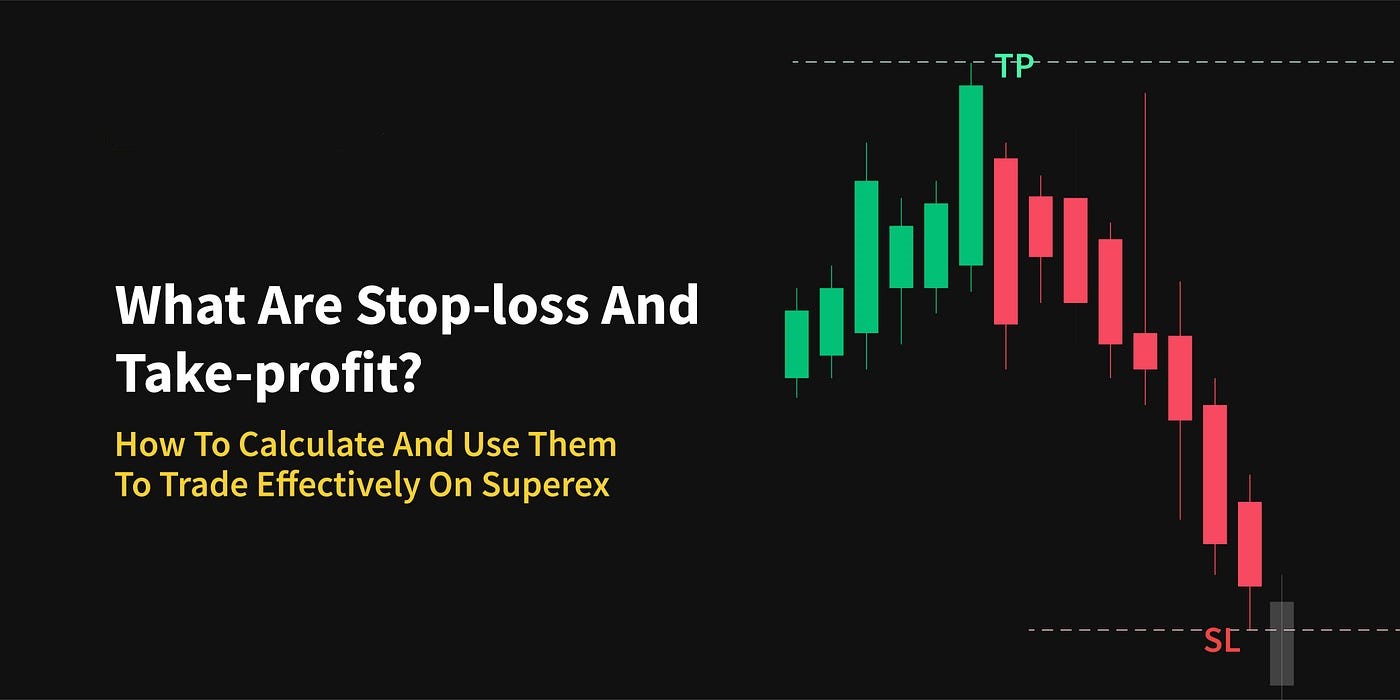
Risk/Reward Ratio Explained: Trade Profitably Even With More Losses Than Wins
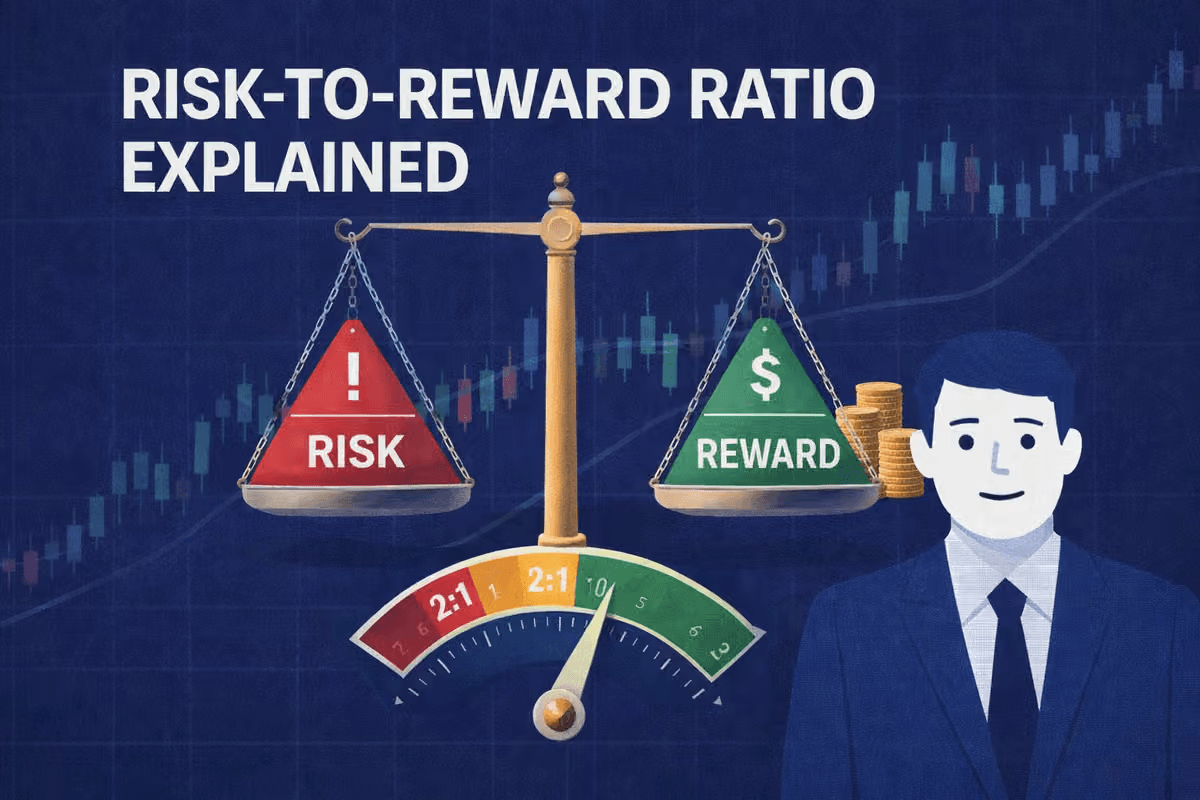
Risk/Reward Ratio Explained: Why Being Wrong Most of the Time Can Still Make You Profitable
Here's something that surprises a lot of beginners: you can be wrong on more than half your trades and still walk away consistently profitable. It sounds backwards until you understand the risk/reward ratio — the piece of math that matters just as much as, if not more than, how often you're actually right.
Most beginners obsess over win rate — "I need to be right more often." Experienced traders obsess over this ratio instead, because it's what actually determines whether a strategy makes money over time, regardless of how many trades go in your favor.
What Is Risk/Reward Ratio?
Risk reward ratio compares how much you stand to lose on a trade against how much you stand to gain if it works out. If you're risking $100 to potentially make $300, that's a 1:3 risk-reward ratio — for every dollar risked, you have the potential to make three.
Think of it like a simple bet at a casino table. If a game pays 3-to-1 on a bet with roughly 50/50 odds, you'd take that bet every single time, because the payout structure heavily favors you even though you'll lose plenty of individual hands. Trading with a favorable risk-reward ratio works on exactly the same logic.
Risk/Reward Ratio vs Win Rate: Which Matters More?
These two numbers work together, and focusing on only one gives an incomplete picture.
- Win rate alone: A high win rate feels good, but if your average loss is much bigger than your average win, a high win rate can still result in a losing strategy overall.
- Risk-reward ratio alone: A great ratio sounds impressive, but if your win rate is extremely low, even excellent reward-to-risk math won't save the strategy.
The real answer is that they're a package deal. A strategy with a 40% win rate and a 1:3 risk-reward ratio can be significantly more profitable than a strategy with a 70% win rate and a 1:0.5 ratio, because the math behind the second one requires an almost perfect win rate just to break even.
How to Calculate and Use Risk/Reward Ratio
The Basic Calculation
Divide your potential reward by your potential risk. If your stop-loss is $50 away from your entry and your target is $150 away, your risk-reward ratio is 1:3 — a favorable setup that gives you room to be wrong more often than right and still profit.
Understanding the Break-Even Win Rate
Every risk-reward ratio has a corresponding win rate needed just to break even. A 1:1 ratio needs roughly a 50% win rate to break even. A 1:2 ratio only needs about 34%. A 1:3 ratio drops that requirement down to roughly 25%. Understanding this relationship reframes what "good trading strategy" actually means — it's not about being right most of the time, it's about the math working in your favor over a large sample.
Set Targets Based on Realistic Price Levels
A favorable ratio only means something if the target is actually achievable. Basing your take-profit on real support/resistance zones or measured price moves matters more than simply picking a target that produces a nice-looking ratio on paper.
Combine Risk-Reward With a Tested Win Rate
Track your actual win rate over enough trades to know it reliably, then check whether your typical risk-reward ratio comfortably covers the break-even point for that win rate. This combination is what turns a hopeful strategy into a genuinely tested one.
Practical Tips for Applying Risk/Reward Ratio
- Aim for at least a 1:1.5 or 1:2 ratio as a baseline. This gives meaningful breathing room even with an average, not exceptional, win rate.
- Don't force a favorable ratio onto a bad setup. A great risk-reward number means nothing if the actual probability of the trade working is extremely low.
- Track both numbers together in your trading journal. Reviewing win rate and average risk-reward side by side reveals whether your overall approach is actually mathematically sound.
- Be honest about realistic targets. Overly ambitious take-profit levels that rarely get hit will quietly deflate your real-world risk-reward performance, even if it looks good in theory.
Understanding this ratio is a bit like understanding why insurance companies stay profitable even though they pay out claims constantly. They're not trying to avoid every single payout — they're making sure the math works in their favor across thousands of policies, which is exactly the mindset a solid risk-reward approach brings to trading.
Common Mistakes With Risk/Reward Ratio
- Focusing only on win rate and ignoring the ratio entirely. A high win rate with a poor ratio can still be a losing long-term strategy.
- Setting unrealistic take-profit targets just to create an impressive ratio. A 1:5 ratio means nothing if the target almost never actually gets hit.
- Cutting winners short, ruining the intended ratio. Exiting early out of fear turns a planned 1:3 trade into something much closer to 1:1 in practice.
- Widening stop-losses to "make the math work." This inflates the risk side of the ratio and defeats the entire purpose of calculating it in the first place.
- Never actually tracking real results. Without journaling, it's impossible to know your true average risk-reward ratio versus the one assumed in theory.
Conclusion
Risk/reward ratio explained simply enough comes down to this: it's not about being right as often as possible, it's about making sure your wins are structured to outweigh your losses over time. Combine a realistic, tested win rate with a favorable ratio, and you don't need to predict the market perfectly — you just need the math to work in your favor across enough trades.
Stop chasing a perfect win rate. Start respecting the ratio, and let consistency handle the rest.
Frequently Asked Questions
1. What's considered a good risk-reward ratio?
Many traders aim for at least 1:1.5 to 1:2, though the ideal ratio depends heavily on your strategy's actual win rate and how it performs over a large sample of trades.
2. Can a strategy with a low win rate still be profitable?
Yes, as long as the risk-reward ratio is favorable enough to more than compensate for the lower win rate over a large number of trades.
3. Does a high risk-reward ratio guarantee profitability?
No. It needs to be paired with a realistic win rate and achievable targets; an excellent ratio with an extremely low win rate can still result in losses.
4. How do I know my actual risk-reward ratio, not just my planned one?
Track every trade's actual outcome in a journal, including cases where you exited early or late compared to your original plan, to see your true average over time.