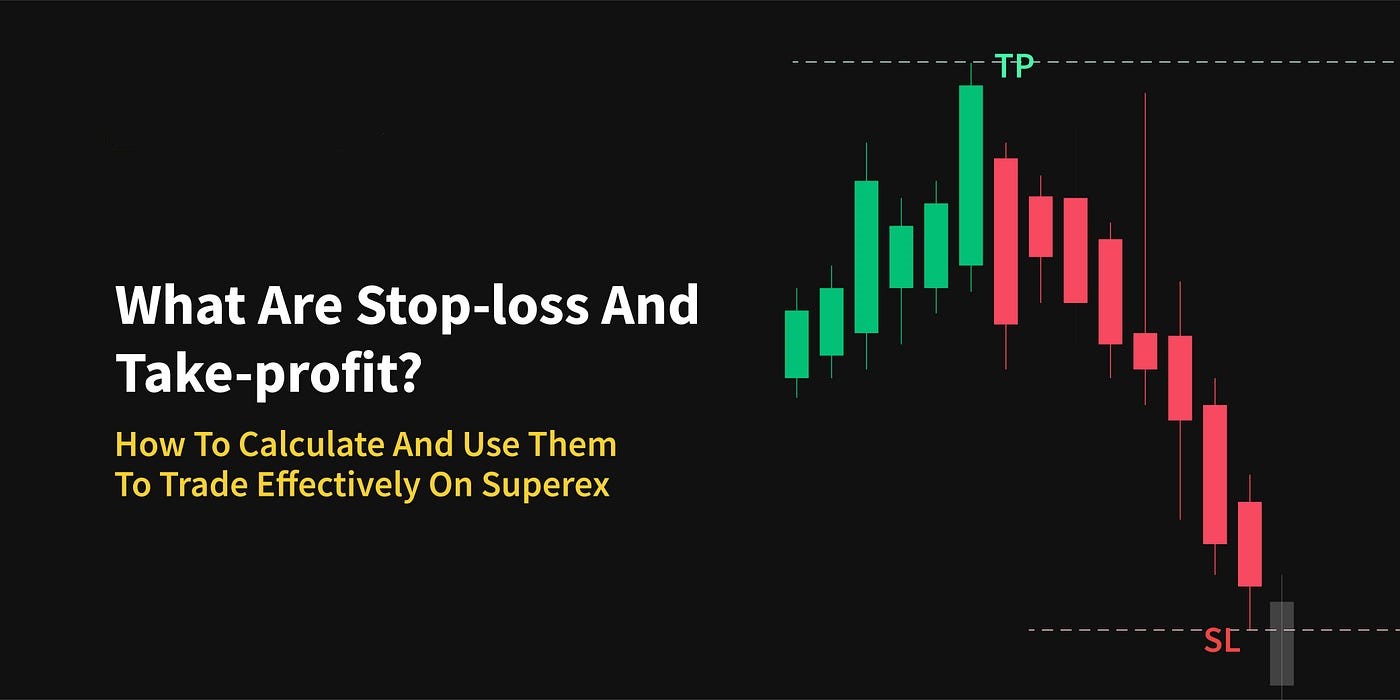
The 1% and 2% Rule in Trading: Protect Your Account with Smart Risk Management
The 1% and 2% Rule in Trading: The Simple Math Behind Not Blowing Up Your Account
If you've spent any time reading about risk management, you've almost certainly run into this piece of advice: never risk more than 1% or 2% of your account on a single trade. It sounds almost too simple to matter — but this one rule, followed consistently, has probably saved more trading accounts than any indicator or strategy ever will.
Let's actually break down the 1% rule in trading and its slightly more aggressive cousin, the 2% rule, so you understand not just what it is, but why the math behind it works so well.
What the 1% and 2% Rule Actually Means
The 2% rule — and its more conservative version, the 1% rule — simply states that you should never risk more than 1% or 2% of your total trading capital on any single trade. If you have a $10,000 account and follow the 1% rule, you're risking a maximum of $100 per trade, regardless of how confident you feel about the setup.
Think of your trading account like a bag of poker chips at a table where you plan to play for hours, not minutes. If you push a huge stack of chips into every single hand, one bad beat can end your night. But if you only ever risk a small, consistent portion per hand, you can survive plenty of losing hands and still be sitting at the table when the good ones come along.
1-2% Rule vs Risking a Fixed Dollar Amount
These sound similar but behave very differently as your account grows or shrinks.
- Percentage-based risk (1-2% rule): Automatically scales with your account. As your balance grows, your dollar risk per trade grows proportionally; as it shrinks, so does your risk — protecting you exactly when protection matters most.
- Fixed dollar risk: Stays the same regardless of account size. Risking a flat $200 per trade might be reasonable on a $20,000 account but dangerously aggressive on a $5,000 account after a losing streak.
The percentage-based approach is self-correcting — it naturally gets more conservative during drawdowns and more generous during growth, without you needing to manually adjust anything.
How to Actually Apply the 1-2% Rule
Knowing the rule is one thing; applying it correctly in every trade is where the real value shows up.
Step 1: Calculate Your Maximum Dollar Risk
Take your account balance and multiply it by your chosen risk percentage. A $5,000 account using the 1% rule means a maximum risk of $50 per trade — full stop, no exceptions based on how good the setup looks.
Step 2: Determine Your Stop-Loss Distance
Look at the chart and decide, based on your strategy, where your stop-loss needs to sit for the trade to still make technical sense. This distance — not your gut feeling — determines your position size.
Step 3: Calculate Position Size From the Stop Distance
This is where position sizing for traders actually comes together. If your maximum risk is $50 and your stop-loss is $2 away from your entry price, your position size should be roughly 25 shares (50 divided by 2) — not a number pulled from excitement about the trade.
Step 4: Never Increase Size to "Make Up" for a Wide Stop
If a wider, more technically sound stop-loss means a smaller position size, that's the trade adjusting to protect your capital — not a reason to widen your risk percentage instead.
Why This Rule Actually Works
The real power of the 1-2% rule shows up in a losing streak, which every trader eventually faces. Risking 2% per trade means it would take roughly 35 consecutive losses to wipe out half your account — an extremely unlikely scenario with any reasonably tested strategy. Risking 20% per trade, by contrast, only takes about 3 losses to cut your account in half.
- It survives losing streaks. Even a strategy with a 40% win rate can be profitable long-term if losses stay small and controlled.
- It removes emotional pressure. Knowing any single trade can only do minimal damage makes it much easier to follow your plan calmly.
- It scales automatically. No manual recalculating needed as your account balance changes over time.
This rule is a lot like pacing yourself in a long hike rather than sprinting the first mile. Going out too fast might feel great at first, but pacing is what actually gets you to the end of the trail.
Common Mistakes With the 1-2% Rule
- Rounding up "just this once" for a favorite setup. Exceptions have a habit of becoming the new normal fast.
- Forgetting to recalculate position size after account changes. A rule based on a percentage only works if you actually update the dollar amount as your balance shifts.
- Ignoring correlated trades. Risking 2% on five correlated positions at once isn't really 2% risk — it's closer to 10% if they move together.
- Confusing position size with risk amount. A bigger position isn't automatically more risk if the stop-loss is tighter — it's the dollar amount at risk that matters, not share count alone.
- Applying the rule inconsistently. Using it on some trades and ignoring it on "sure thing" setups defeats the entire purpose.
Conclusion
The 1% rule in trading, and the slightly bolder 2% version, isn't complicated math — it's a simple, repeatable habit that quietly protects you from the losing streaks every trader eventually faces. It won't make you rich overnight, and that's exactly the point. It's designed to keep you in the game long enough for your actual edge to play out.
Pick a percentage you're comfortable with, apply it without exception, and let consistency do the heavy lifting over time.
Frequently Asked Questions
1. Should beginners use 1% or 2%?
Many beginners start closer to 1%, since it offers a wider margin for error while still learning position sizing and stop-loss placement.
2. Does the 1-2% rule apply to forex and crypto too?
Yes. The core principle — never risking more than a small, fixed percentage of your account per trade — applies across stocks, forex, and crypto alike.
3. What if 1% feels too small to be worth trading?
That usually means the account size itself needs to grow before increasing risk, rather than increasing the risk percentage to compensate for a small account.
4. Can I ever risk more than 2% on a single trade?
Some experienced traders occasionally do for very high-conviction setups, but consistently risking more increases the odds of a damaging losing streak significantly.