Trend Following Guide: Ride Market Momentum Like a Pro (2026)
Trend Following: How to Ride Market Momentum Instead of Fighting It
Ever notice how the traders who seem calmest are usually the ones not trying to predict every top and bottom? They're not guessing where the market will turn — they're just going along for the ride once it's already moving. That's the entire philosophy behind trend following, and it might be one of the least stressful ways to approach the markets once you understand how it actually works.
Most beginners lose money trying to call tops and bottoms, buying "cheap" stocks that keep getting cheaper, or shorting "expensive" ones that keep climbing. Trend following flips that instinct on its head. Instead of fighting the market's direction, you simply ask: which way is price already moving, and how do I get on board?
What Is Trend Following Trading?
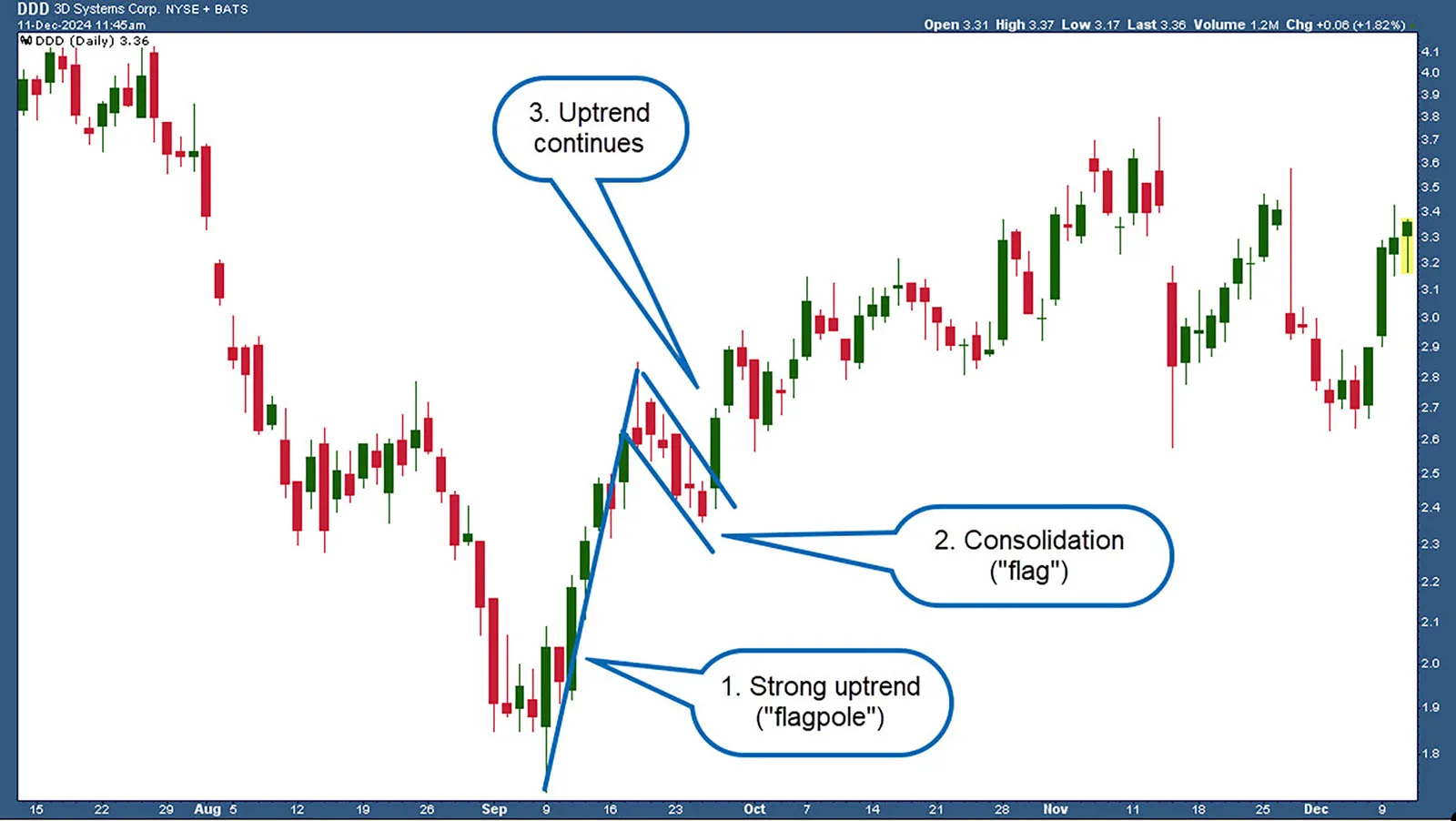
Trend following is a trading approach built on one simple idea: markets tend to keep moving in the direction they're already heading, more often than they reverse. Rather than predicting the future, a trend follower reacts to what price is currently telling them — buying when the trend is up, selling or shorting when it's down, and staying out when there's no clear direction at all.
Think of it like driving on a highway during rush hour. You don't fight the traffic flow or try to guess when everyone will suddenly change lanes. You watch which lane is moving, merge into it, and stay there until it clearly slows down. Trend followers do the same thing with price — they identify the "lane" that's moving and stick with it until the evidence says otherwise.
This isn't about being right on every single trade. It's about capturing the big, sustained moves — the ones that can run for weeks or months — while accepting a series of small losses along the way when a trend fails to develop.
Trend Following vs Day Trading vs Long-Term Investing
These three approaches often get mixed up, but each one plays a completely different game.
- Day trading: Trades open and close within hours, sometimes minutes. It demands constant attention and fast reflexes, with no overnight exposure but a lot of screen time.
- Trend following: Positions can run for weeks or even months, as long as the underlying trend stays intact. You're not glued to the screen — you're checking in periodically to confirm the trend is still alive.
- Long-term investing: Positions are held for years, based largely on fundamentals rather than price action, riding out entire economic cycles regardless of short-term direction.
If day trading is sprinting after every passing bus, and long-term investing is walking the same route every day for a decade, trend following strategy is more like catching a train that's already leaving the station and staying on until it reaches its destination — however long that takes.
Best Indicators and Strategies for Trend Following
Trend following isn't about intuition or gut feeling — it leans heavily on tools that objectively confirm whether a trend exists and how strong it is. Here are the ones that show up again and again in serious technical analysis for trend following.
Moving Averages
The classic starting point. When price stays above a rising 50-day or 200-day moving average, that's typically read as an uptrend; below a falling one, a downtrend. Many trend followers watch for crossovers too — when a shorter average crosses above a longer one, it's often treated as a fresh signal that momentum is shifting in that direction.
Average Directional Index (ADX)
ADX doesn't tell you which direction price is moving — it tells you how strongly it's trending, regardless of direction. A rising ADX above 25 usually signals a strong trend worth following; a low, flat ADX suggests the market is chopping sideways, which is exactly the environment trend following struggles in.
Donchian Channels
This one's refreshingly simple: it plots the highest high and lowest low over a set period. A breakout above the recent high can signal the start of a new uptrend; a break below the recent low can signal the opposite. It's one of the oldest tools in the trend-following toolbox, and it still works because it strips out guesswork entirely.
MACD (Moving Average Convergence Divergence)
MACD helps confirm momentum behind a trend. When the MACD line sits above its signal line and both are rising, it often supports the case that an uptrend has real strength behind it — not just a temporary bounce.
Volume Confirmation
A trend accompanied by rising volume tends to be far more reliable than one drifting along on thin, quiet trading. Among the best indicators for trend following trading, volume is the one that separates a genuine, well-supported move from a fragile one that could reverse the moment real buyers or sellers step away.
The strongest approach usually blends a trend-direction tool (moving averages or Donchian channels), a strength filter (ADX), and a confirmation layer (volume) — rather than relying on any single indicator in isolation.
Risk Management Tips for Trend Following
Here's something that surprises a lot of beginners: even the best trend-following systems are wrong more often than they're right. What makes them profitable isn't a high win rate — it's making sure the winning trends pay far more than the losing ones cost.
- Cut losses quickly and let winners run. This is the golden rule of trend following. Small, consistent losses on failed trends are the price of admission for catching the occasional big move.
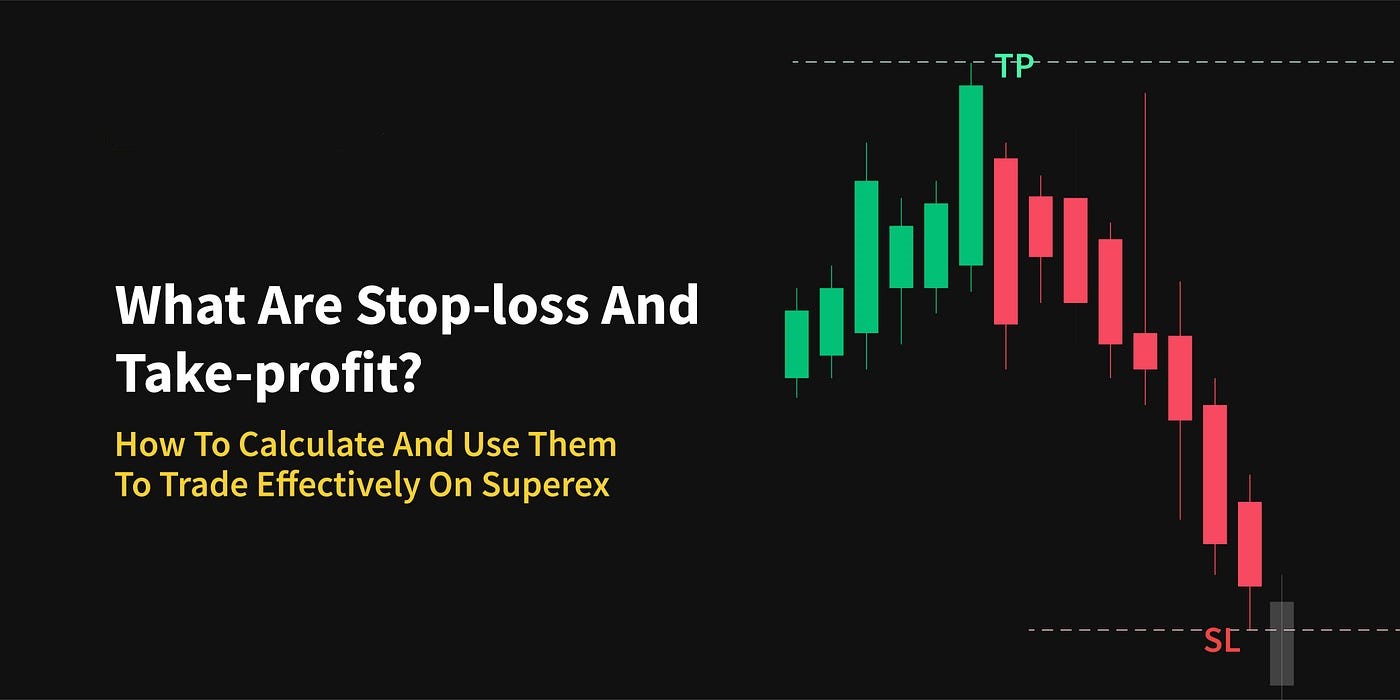
- Use a trailing stop. Instead of a fixed exit, let your stop-loss follow price as the trend develops, locking in gains while giving the trade room to keep running.
- Risk a small percentage per trade. Since not every signal turns into a real trend, capping risk at 1-2% of capital per trade protects you from a string of false starts.
- Diversify across markets. Trends don't happen everywhere at once. Following multiple markets — stocks, forex pairs, commodities — increases the odds that you're positioned when a genuine trend appears somewhere.
- Expect long stretches of sideways action. Markets don't trend all the time. Choppy, directionless periods are normal, not a sign your strategy is broken.
Common Mistakes Beginners Make
These mistakes show up constantly with new trend followers — and honestly, most experienced traders made every one of them early on too.
- Exiting a winning trend too early. Getting nervous after a modest gain and closing out, only to watch the trend run much further without you.
- Fighting the trend based on opinion. Deciding a stock is "too expensive" and shorting a strong uptrend, purely out of personal bias rather than what price is actually showing.
- Abandoning the system after a losing streak. A handful of losses in a row is completely normal for trend following — quitting right before a big trend materializes is a common, costly pattern.
- Ignoring position sizing. Going all-in on a single trend signal instead of spreading risk sensibly across trades and markets.
- Overtrading in sideways markets. Forcing signals during flat, directionless periods when the smarter move is simply to wait.
- Not journaling trades. Without tracking entries, exits, and reasoning, it's nearly impossible to tell whether the system is actually working or just getting lucky.
Conclusion
Trend following for beginners can feel counterintuitive at first — accepting frequent small losses in exchange for occasional large wins isn't how most people naturally think about trading. But it's precisely this mindset that has kept trend followers profitable across decades of changing markets. Start with a simple system, backtest it before risking real money, respect your stop-losses without exception, and give winning trends the room they need to actually pay off.
The market doesn't need you to predict it. It just needs you to notice which way it's already going — and have the discipline to stay on board for the ride.
Frequently Asked Questions
1. How long does a typical trend-following trade last?
It varies widely, from a few weeks to several months, depending on how long the underlying trend remains intact. There's no fixed timeframe — the trend itself decides when the trade ends.
2. Is trend following better than swing trading?
Neither is objectively "better" — they suit different personalities and time commitments. Trend following holds positions longer and requires more patience, while swing trading captures shorter moves with more frequent trade turnover.
3. Why do trend-following strategies have a low win rate?
Because the strategy is built around cutting losses quickly on failed trends while letting the rare, strong trends run for much longer. A few big winners are designed to outweigh many small losers.
4. Can trend following be automated?
Yes, and many traders do exactly that. Since the rules rely on objective indicators rather than gut feeling, trend-following systems are well-suited to automated or rules-based execution.