What Is Risk Management in Trading? The Key to Long-Term Success
What Is Risk Management? The One Skill That Decides If You're Still Trading Next Year
Ask ten traders what separates the ones who last from the ones who quietly disappear after six months, and most of them won't say strategy. They'll say something closer to "I stopped blowing up my account." That's risk management in a nutshell — not a fancy indicator, not a secret setup, just the discipline of controlling how much you can lose before you're ever allowed to think about how much you can win.
It's the least exciting part of trading, and also the part that determines whether you're even still around to use everything else you've learned.
What Is Risk Management in Trading?
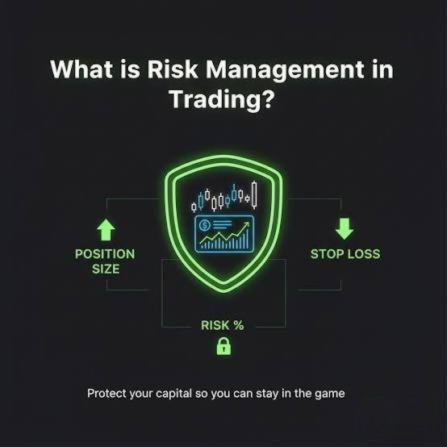
Risk management in trading is the process of controlling potential losses on every trade so that no single position, or string of positions, can seriously damage your account. It covers how much you risk per trade, how you size positions, where you place stop-losses, and how much total exposure you allow across all your open trades at once.
Think of it like the brakes on a car. Nobody buys a car for the brakes — you buy it for the engine, the speed, the way it feels to drive. But without brakes, that powerful engine is a liability, not an asset. A great trading strategy without risk management is exactly that kind of car — fast, exciting, and eventually headed for a wall.
Risk Management vs "Just Being Careful"
A lot of beginners think they're managing risk simply by being cautious in a general sense. There's a real difference between the two.
- Being careful: A vague feeling of caution — trading smaller "when it feels risky," avoiding trades that "seem scary," without any actual defined rules.
- Real risk management: Specific, written rules applied the same way every single time — a fixed percentage risked per trade, a predetermined stop-loss, a maximum number of open positions — regardless of how confident or nervous you feel that day.
Being careful is a feeling. Risk management is a system. Feelings change trade to trade; a system doesn't, and that consistency is exactly what makes it work over the long run.
Core Principles and Strategies of Risk Management
Good risk management isn't one single rule — it's a handful of habits working together.
Risk a Fixed Percentage Per Trade
Most experienced traders risk somewhere between 1% and 2% of their total account on any single trade. This means a string of losses — which is completely normal, even for a profitable strategy — never comes close to wiping out the account.
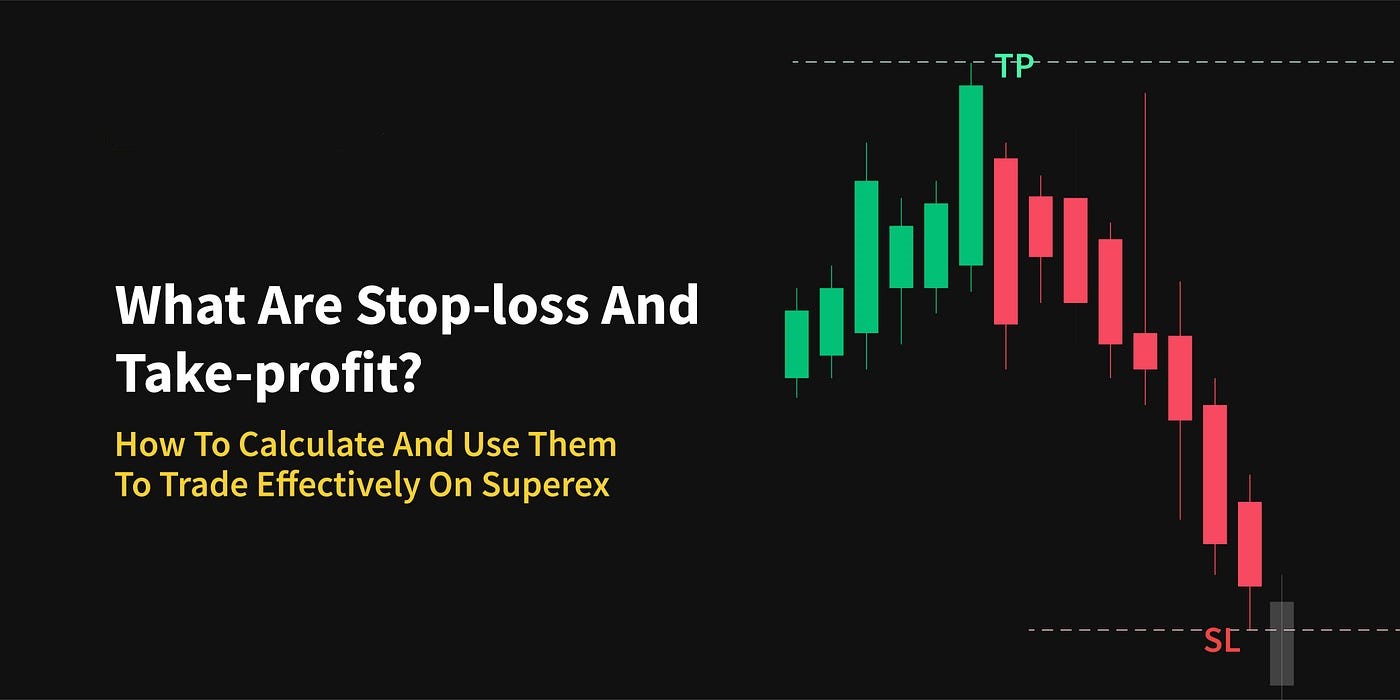
Always Define Your Stop-Loss Before Entering
Deciding your exit point before you're emotionally attached to a trade removes guesswork exactly when it matters most. A stop loss strategy decided in the heat of the moment tends to move further away from the entry, not closer, as losses grow.
Use a Favorable Risk-Reward Ratio
If you're consistently risking more than you stand to gain, you need an unusually high win rate just to break even. Aiming for setups where the potential reward is at least equal to, or ideally greater than, the risk gives you much more room for error.
Limit Total Exposure Across Open Trades
Risking 2% on one trade is reasonable. Doing that on ten correlated trades at once — say, multiple tech stocks that tend to move together — means your real risk is far higher than it looks on paper. Total portfolio exposure matters just as much as individual trade risk.
Avoid Excessive Leverage
Leverage magnifies both gains and losses. Using it responsibly, in proportion to your account size and risk tolerance, is a core part of position sizing for traders that too many beginners overlook until it's already cost them.
Practical Risk Management Tips
- Calculate position size based on your stop-loss distance, not a gut feeling. The wider your stop, the smaller your position size needs to be to keep risk consistent.
- Never move a stop-loss further away once a trade is open. This single habit alone prevents countless small losses from becoming devastating ones.
- Track your risk-adjusted returns, not just raw profit. A strategy that makes modest, consistent gains with low risk often beats one with bigger swings and bigger drawdowns.
- Reassess risk after major account changes. A growing account can often handle slightly more absolute risk; a shrinking one needs tighter control, not bigger bets to "catch up."
Good risk management is a lot like insurance. You don't notice its value on the days everything goes right — you notice it on the one day everything goes wrong, and you're still standing because you planned for it in advance.
Common Mistakes Beginners Make With Risk Management
- Risking too much on a single "high conviction" trade. Confidence in a setup doesn't reduce the actual risk if the trade goes against you.
- Skipping stop-losses because "it'll probably bounce back." Hope is not a risk management strategy.
- Not accounting for correlated positions. Several trades that move together can quietly multiply your real exposure.
- Increasing risk after a losing streak to "win it back faster." This is exactly the moment risk should be reduced, not increased.
- Treating risk management as optional once things start going well. Discipline tends to fade fastest right after a winning streak, which is often when the next big loss shows up.
Conclusion
What is risk management, really, when you strip away the jargon? It's simply deciding in advance how much you're willing to lose, and then actually sticking to that decision no matter what the market throws at you. It won't make for exciting trading stories, but it's the quiet foundation that keeps every other skill you build actually worth something over time.
Protect the capital first. Everything else you're trying to learn only matters if you're still in the game to use it.
Frequently Asked Questions
1. How much should I risk per trade?
Many experienced traders cap risk at 1-2% of total account value per trade, though the right number depends on your strategy's win rate and overall risk tolerance.
2. Is risk management more important than finding good trade setups?
Both matter, but risk management determines whether you survive long enough for a good strategy to actually prove itself over time.
3. Can risk management guarantee I won't lose money?
No. It doesn't eliminate losses — it controls their size, so no single trade or losing streak can seriously damage your account.
4. What's the biggest risk management mistake new traders make?
Risking too much per trade, often driven by overconfidence in a single setup, which leaves very little room for the inevitable losing trades.